


Clavo Huasca - Tynanthus panurensis
Plant species name: Tynanthus panurensis - Clavo huasca
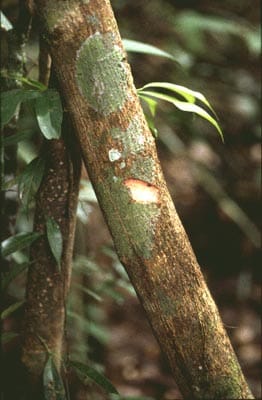
Other names: Cipo Cravo, Clove Vine
Clavo Huasca is a tree vine that grows up to 80 meters in length and grows in the tropical forests of South America. The bark of the plant has a specific clove aroma, which is where the name Clavo Huasca comes from - "clove vine". The plant is used as a tonic and for the treatment of rheumatism but is best known as an aphrodisiac, which is suitable for both women and men. 3
Together with plants such as Juanarpo Macho (Jatropha Macrantha) and Chuchuhuasi (Maytenus Macrocarpa), it is an ingredient in the famous traditional herbal formulas for improving potency and enhancing sexual activity, which are widely sold in South American markets. One of them is called Siete Raices - "Seven Roots" and another Rompe Calzon - "Rip Your Pants".
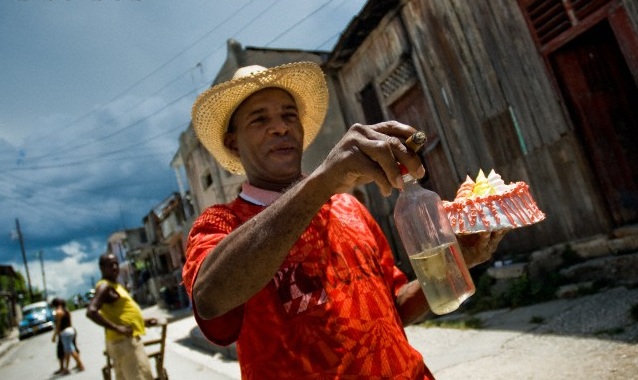
In Bolivia, Peru and Ecuador, the bark of Clavo Huasca is infused with sugar cane rum getting a tonic alcoholic drink. Excepting the usual Clavo Huasca tincture, a tincture made from a mixture of Clavo Huasca, Juanarpo Macho, Chuchuhuasi and Cacao is popular among locals. This cocktail is considered as a powerful aphrodisiac. In addition, it charges with energy, relieves fatigue and muscle pain. Recently, all of these plants have become popular in Europe. They are sold both separately and as ingredients in various natural supplements to enhance sexual activity.
In Brazil, this plant is called "Cipó Cravo" and is considered as an effective remedy for digestive problems and increased gas formation (when brewed with hot water) and is also used as an aphrodisiac (in the form of an alcoholic tincture). This tincture is used against fever, muscle pain, and diseases of the bones and joints.
Probable biological effect
- aphrodisiac, tonic - increases the level of overall energy potential;
- anti-inflammatory, antirheumatic;
- antioxidant.
Traditional use
- to enhance sexual activity;
- as a tonic agent;
- to improve digestion and normalize stomach function;
- to relieve inflammation and ease joint pain.
Detailed information
Despite the popularity of this plant in South America, only the anti-inflammatory and antioxidant properties of Clavo Huasca have been studied to date. In vitro tests have shown that the active substances of the plant have significant antioxidant properties and reduce lipid peroxidation. n addition, anti-inflammatory properties have been confirmed in vivo. Phytochemical analysis has shown the presence of saponins and a high concentration of - eugenol, apigenin and verbascoside (verbascoside). 1, 2.
There is also information that Brazilian scientists have discovered a new alkaloid of the plant, which they called "tinantina", from the generic name Tynanthus. They believe that this compound is the main biologically active component of the plant.
Traditional preparation
To enhance sexual activity, a tincture is usually made on sugar cane rum or other 40-degree alcohol, in a ratio of 1:4, which is infused for 1-2 weeks in a dark place, then taken several spoons a day. This tinctures should be taken for at least a month to achieve a full effect and excessive enthusiasm when consuming can give the opposite effect. Therefore, it is not recommended to start drinking several glasses a day in anticipation of an immediate effect. To improve digestion and normalize stomach function, take in the form of teas or decoctions. Brew it in a teapot or thermos, 1-2 teaspoons of dry plant per 1 glass of water.

Contraindications
Pregnancy. Lactation. It is believed that Clavo Huasca does not show any side effects during intake, the plant is not toxic and has no negative consequences when used wisely, but it may be contraindicated in case of individual intolerance to individual components. In case of an upcoming surgery, it is recommended to stop taking all herbal preparations two weeks in advance.
Phytochemical composition
Phytochemical analysis showed the presence of saponins and a high concentration of phenols and flavonoids - eugenol, apigenin, apiofuranosyl, verbascoside, isoverbascoside and leucosceptoside and glucopyranoside – katchimoside
Sources of information, research and references
Please note that some studies are based on preclinical testing in biological models (in vitro). In studies involving model organisms, including humans, only isolated forms of active substances are used. Finally, some of the studies show conflicting data. Thus, extrapolation of the results to a human biological model is possible only in general terms, and sometimes is not possible at all. This information should not be used to evaluate health conditions and the products sold here are not drugs and are not intended to treat or prevent any disease.
Date of publication: 07/31/2014
© 2014 HelloBotanica. All rights to publication belong to the copyright holders. When copying material fully or partly, a reference to the original source is required.
