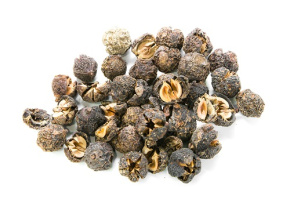
Amla - Emblica officinalis
Plant species name: Emblica officinalis - Medicinal emblic
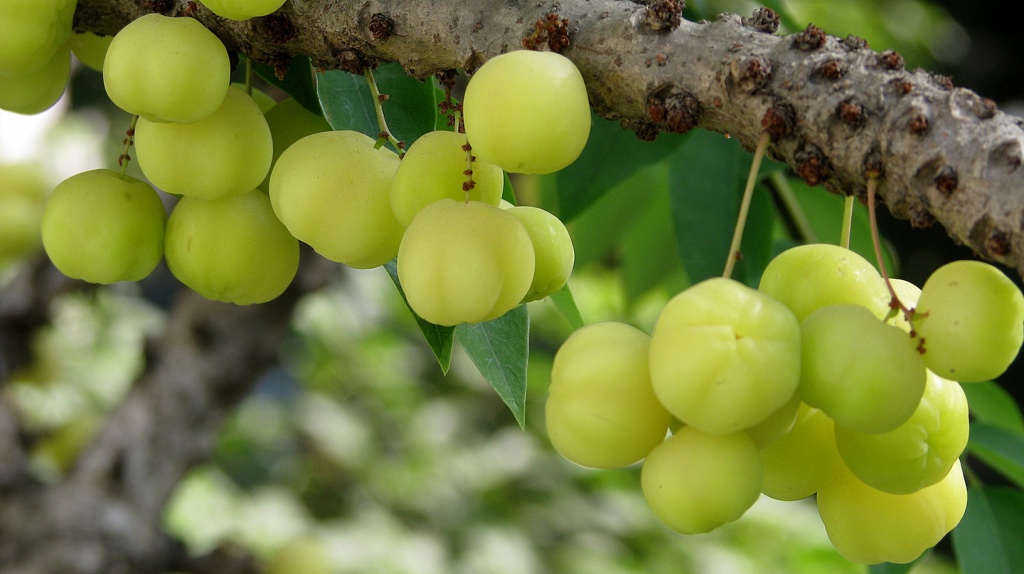
Name in Sanskrit: Amla - Amla, Amalaki – Amalaki
Chinese Herbology: Yuganzi
Other names: Indian Gooseberry, Phyllanthus emblica
Emblica officinalis is a tree with gooseberry-like fruits native to Southeast Asia. In India Emblica officinalis is called "Amla" or "Amalaki". According to legend, the plant appeared from drops of "amrita" nectar, which gives youth and immortality to the gods. A few drops of nectar were spilled on the earth by accident due to the struggle between gods and demons.
In Ayurvedic practice, the fruits of this plant are considered one of the most effective general tonics. They are used as a universal remedy for strengthening health and recovery from illness, for balancing sugar levels and “bad” cholesterol. Amla is part of many Ayurvedic remedies and forms the basis of the well-known Ayurvedic drug - Chyawanprash. In addition, it is used to improve the appearance of hair. Due to its various beneficial properties, Emblica officinalis is known not only in India, but also far beyond its borders.
Probable action of biologically active substances
- vitamin, antioxidant;
- detoxifying, laxative;
- hypoglycemic - prevents the absorption of glucose;
- hypolipidemic - lowers cholesterol levels LDL.
Detailed information
- to maintain general health, improve the appearance of skin and hair;
- as a means that has a positive effect on the condition of the gastrointestinal tract, normalizes digestion and stimulates intestinal activity;
- to strengthen the walls of blood vessels, reduce the likelihood of the appearance of "spots" and capillary networks under the skin;
- to stimulate metabolism, balance sugar levels and "bad" cholesterol;
- externally - as an oil or hair balm.
Detailed information
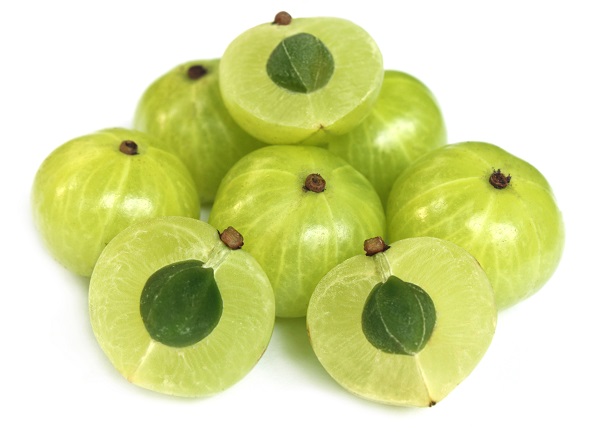
The fruits of Emblica officinalis are a rich source of vitamins, minerals and amino acids. They contain such useful elements as - β-carotene, rutin, kaempferol, large amounts of vitamin C, B-group vitamins, many micro and macro elements (calcium, iron, phosphorus, potassium, magnesium, sodium, selenium, copper, zinc). Moreover, they contain ellagic acid, which contains ellagitannins (emblicanin, punigluconin, pedunculagin, punicafolin). These compounds are also found in pomegranate fruits and have significant antioxidant activity. 1
Due to their variety of substances, the fruits of Emblica officinalis have numerous beneficial properties. They have a positive effect on the condition of the skin, nails and hair, increase the resistance of blood capillaries, have hypoglycemic and hypolipidemic properties. Moreover, they have a mild laxative effect and are often used for increased acidity of gastric juice and ulcers. 2, 3 Detailed information on the therapeutic potential of Emblica officinalis can be found in the review article provided at the following link: 4
Amla for hair
Amla has recently become extremely popular as a natural hair care product. It is taken as a vitamin remedy for these purposes, and externally - in the form of masks and oil. It is believed that Amla gives hair shine, strengthens and stimulates its growth, and also prevents hair loss and eliminates dandruff.
Directions for use and dosage
Amla is used in capsule form, 3-5 capsules once or twice a day, before meals or an hour after meals. The duration of use is not limited, side effects are not documented.
Amla is also used externally to make masks for the face and especially for hair. The powder is mixed with any warm base (water, milk, ghee) to a thick consistency. Apply to the skin for 15 minutes, wash off with warm water. Then apply a thin layer of cosmetic sesame or coconut oil, lightly massaging the skin.
Amla for hair

Mask: 1-2 tablespoons of amla powder are diluted with hot water, infused for 10 minutes and applied to clean hair. Amla powder is often mixed with other plants that are useful for hair - fenugreek, bhringraj. When adding shikakai the mixture can be used instead of shampoo. It is applied to the hair from 30 minutes to an hour, wash off the mask without shampoo.
Hair balsam: Dilute a tablespoon of amla with hot water, let it brew and apply to washed hair instead of conditioner. While the amla is on the hair, massage the scalp for 2-5 minutes, moving from the forehead to the back of the head. Rinse with cool water. This balsam is nourishing, strengthening the hair improving its appearance and giving it shine.
Oil with amla: 100 ml of any cosmetic oil, for example, coconut oil, a teaspoon of amla powder. Mix and leave for 1-2 weeks in a dark cool place. This oil is used to make oil masks for hair. The oil is made with any herbs for hair, or mixtures of these herbs can be used in the same way.
Contraindications
Individual intolerance, pregnancy, lactation. In case of an upcoming surgery, it is recommended to stop taking any herbal medicines two weeks in advance.
Phytochemical composition
Vitamins: ascorbic acid, β-carotene, riboflavin (vitamin b2), rutin, thiamine (vitamin b1), nicotinic acid (vitamin PP). Macro and micro elements: calcium, iron, phosphorus, potassium, magnesium, sodium, selenium, copper, zinc. Carbohydrates: starch, sucrose, fiber, glucose, pectin, D-fructose, D-glucose. Amino acids: aspartic acid, arginine, alanine, glutamic acid, glycine, histidine, valine, isoleucine, leucine, lysine, methionine, phenylalanine, tryptophan, threonine, cystine, tyrosine, proline, serine, chebulagic, chebulaginic, chebulic, chibulinic and corilagic acids, corilagin, ellagic and gallic acids, glucogallin, phyllantine, phyllemblic and phyllemblinic acids, phyllemblin, terchebin.
Sources of information, research and references
Please note that some studies are based on preclinical testing in biological models (in vitro). In studies involving model organisms, including humans, only isolated forms of active substances are used. Finally, some of the studies show conflicting data. Thus, extrapolation of the results to a human biological model is possible only in general terms, and sometimes is not possible at all. This information should not be used to evaluate health conditions and the products sold here are not drugs and are not intended to treat or prevent any disease.
Date of publication: 07/08/2024
© 2024 HelloBotanica. All rights to publication belong to the copyright holders. When copying material fully or partly, a link to the original source is required!