


Trifala - Triphala
Latin name: Emblica officinalis, Beleric Myrobalan, Terminalia chebula

Name in Sanskrit: Triphala – Triphala
Triphala is a mixture of three fruits of trees of the Mirabolan family - Emblica officinalis, Terminalia bellirica and Terminalia chebula, mixed in equal proportions. Translated from Sanskrit, “triphala” means “three fruits.” It has been known in India for more than 3,000 years as an effective laxative that has a positive effect on the functioning and condition of the gastrointestinal tract. The oldest treatise on Ayurveda, the - Charaka Samhita, says the following: “one who takes triphala for a year will get rid of all diseases and live to be a hundred years old.” Although this could sound somewhat radical, it is still quite reasonable if we take into account that digestion is the first stage of metabolism and the state of health directly depends on the normal functioning of the organs of the digestive system. Moreover, triphala contains a high concentration of vitamins and antioxidant compounds preventing cellular damage and slowing down the aging process of the body to a certain extent.
Traditional use
- as an agent having a positive effect on the condition of the gastrointestinal tract, normalizing digestion and stimulating intestinal activity;
- as an antioxidant;
- as an antibacterial agent;
- for maintaining general health, improving the appearance of skin and hair condition;
- reduces the fragility of capillary vessels;
- for stimulating metabolism, reduction of sugar levels and “bad” cholesterol.
Triphala Ingredients:
Emblica officinalis (Amalaki)
Emblica officinalis or Amla, in Ayurvedic practice is considered to be one of the most effective general strengthening agents and forms the basis of another well-known Ayurvedic drug - Chyawanprash. The fruits of the plant contain such useful elements as β-carotene, rutin, kaempferol, large amounts of vitamin C, B vitamins, many micro and macro elements (calcium, iron, phosphorus, potassium, magnesium, sodium, selenium, copper, zinc). Moreover, they contain ellagic acid, which contains ellagitannins (emblicanin, punigluconin, pedunculagin, punicafolin). These compounds are also the main active constituents of pomegranate fruit and have significant antioxidant activity. Тhe condition of the skin and hair are believed to be improved by regular use of Amla. It also reduces the fragility of capillary vessels. Besides that Amla is used for increased acidity of gastric juice and ulcers, and also has a mild laxative effect. 1
Terminalia chebula (Haritaki)
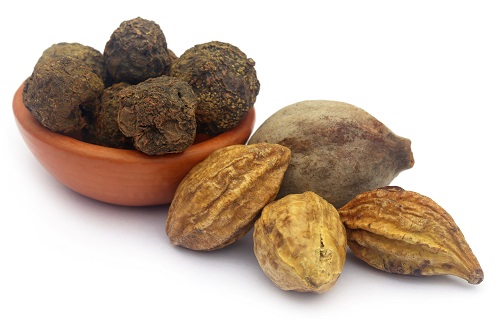
The Haritaki tree, which is called the “king of medicine” in Tibet, contains many biologically active compounds. Haritaki fruits are traditionally used as an antimicrobial and anti-inflammatory agent. They are used to clean teeth and rinse the mouth to prevent caries. Research data confirm that Haritaki components have significant antibacterial activity against a number of gram-positive and gram-negative pathogenic bacteria, as well as fungicidal activity against a number of fungi pathogenic to humans. In laboratory conditions, Terminalia chebula demonstrated antibacterial activity against: Helicobacter pylori, Staphylococcus aureus, Streptococcus mutans, Escherichia coli, Clostridium perfringens, and some other pathogenic bacteriaas well as Fungicidal activity against: Candida albicans, Epidermophyton floccosum, Microsporum gypseum and some other pathogenic fungi. A detailed overview of the therapeutic potential and composition of the plant can be found at the following link 2
Terminalia belerica (Babhitaki - Bibhitaki)
Bibhitaki fruits improve digestion, have a protective effect on the gastric mucosa and increase the intensity of bile secretion. Moreover, they stimulate intestinal activity and have a laxative effect.
Laxative effect of Triphala
Laxatives are often needed by people with digestive problems. However, excessive use of laxatives leads to addiction, lack of vitamins and microelements, as well as an imbalance of beneficial intestinal microorganisms. However, all three fruits in Triphala have laxative properties while also being a source of nutrients. Their active substances increase the peristalsis of the large intestine, inhibit the growth and reproduction of pathogenic microorganisms and create a favorable environment for the proliferation of “useful” bacteria. It is believed that taking Triphala helps to reduce the occurrence of constipation and minimise the likelihood of developing gastrointestinal diseases.
Antibacterial action
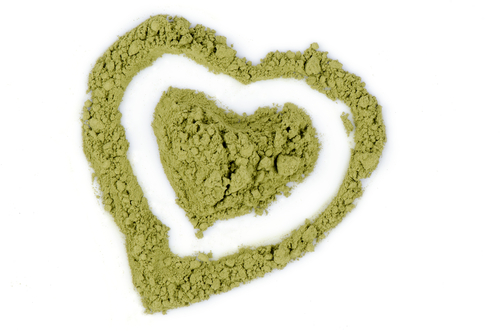
Infectious pathogens are common causes of gastrointestinal diseases. Triphala components not only improve digestion, but also have an antibacterial effect against a wide range of bacteria and fungi pathogenic to humans. At the same time, triphala isn't toxic and its consumption doesn't lead to a reduction in friendly bacteria. 3, 4 One of the studies has found that triphala and its component Haritaki (Terminalia chebula) is one of the ten Ayurvedic remedies traditionally used to prevent bacterial infections have the highest potential in this regard 5, 6, 7
General strengthening effect
All three fruits that make up triphala contain many phytochemical compounds that increase the body's resistance to various infections, support the full functioning of the digestive system and help to normalize metabolism. Those also have a positive effect on the condition of the skin, hair and nails. Triphala is considered an absolutely safe product that does not cause side effects and is suitable for constant use. 8
Directions for use and dosage
Triphala is used in the form of capsules, 3-5 capsules or traditionally, in the form of a dry powder dissolved in a small amount of water or milk, 1 teaspoon once or twice a day, before meals or an hour after meals, sometimes ginger, lemon, cinnamon, mint or honey can be added to taste. The duration of use is unlimited, and there are no documented side effects. The plant is non-toxic and no side effects were observed when taking it.
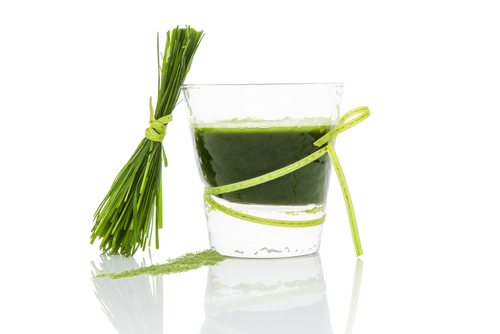
Triphala is also used externally, making nasal rinses, face and body masks. The powder is mixed with any warm base (water, milk, drawn butter) to a thick consistency. Apply to the skin for 10-15 minutes and rinse with warm water. Then apply sesame or coconut oil massaging the skin lightly.
Contraindications
Individual intolerance. Pregnancy. Lactation. In case of upcoming surgery, it is recommended to stop taking all herbal medicines two weeks in advance.
Phytochemical composition
Emblica officinalis
chebulinic, сhebulagic, terminoic arjugenin; arjunolic acids; Ascorbic, shikimic, quinic, ellagic and gallic acid, Flavonoids: rutin and quercetin, tannins about 23.60% ~ 37.36% Carbohydrates: arabinose, fructose, sucrose. 1,3,6-trigalloylglucose and 1,2,3,4,6-pentagalloylglucose; corilagin; terchebin; glucogallin;
Terminalia bellirica
Vitamins: ascorbic acid (vitamin C), β-carotene, riboflavin (vitamin b2), rutin, thiamine (vitamin b1), niacin (vitamin PP). Macro and micro elements: calcium, iron, phosphorus, potassium, magnesium, sodium, selenium, copper, zinc. Carbohydrates: starch, sucrose, fiber, glucose, pectin, D-fructose, D-glucose. Amino acids: aspartic acid, arginine, alanine, glutamic acid, glycine, histidine, valine, isoleucine, leucine, lysine, methionine, phenylalanine, tryptophan, threonine, cystine, tyrosine, proline, serine. Chebulagic, chebulaginic, chebulic, chibulinic and corilagic acids, corilagin, ellagic and gallic acids, glucogallin, phyllantine, phylllemblic and phylllemblinic acids, phylllemblin, terchebin.
Terminalia chebula
Acids: chebulagic, chebulic and chebulinic, triacontanoic ellagic, gallic acid, tannic, shikimic, quinic acid, palmitic acid. Glycosides: sennosides, arjunglucoside I, arjungenin, and the chebulosides I and II. Macro and micro elements: selenium, magnesium, copper. Carbohydrates: arabinose, fructose, glucose, sucrose, rhamnose Phytosterols: daucosterol, beta-sitosterol Enzymes: tannase, polyphenol oxidase, peroxidase. Flavonoids: luteolin. Corilagin, terchebulin, punicalagin, terflavin, terchebin, glucogallin, chebulin.
Sources of information, research and references:
Please note that some studies are based on preclinical testing in biological models (in vitro). In studies involving model organisms, including humans, only isolated forms of active substances are used. Finally, some of the studies show conflicting data. Thus, extrapolation of the results to a human biological model is possible only in general terms, and sometimes is not possible at all. This information should not be used to evaluate health conditions and the products sold here are not drugs and are not intended to treat or prevent any disease.
Date of publication: 07/17/2014
© 2014 HelloBotanica. All rights to publication belong to the copyright holders. When copying material fully or partly, a references to the original source is required.

