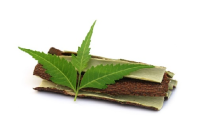
Neem - Azadirachta Indica
Plant species name: Azadirachta indica - Indian Azadirachta
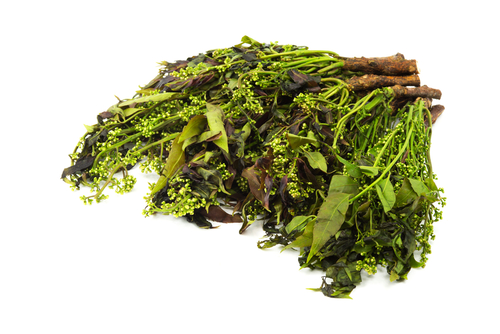
Name in Sanskrit: Neem - Neem, Nem
Other names: Margosa, Indian Melia
The neem tree is one of the most popular plants in India. It is considered to be a panacea, called the “village pharmacy” and is used for almost any illness. Due to its antiseptic properties, millions of people in rural areas use its branches daily as “toothbrushes.” Neem oil is used as a common ingredient in Ayurvedic toothpastes, shampoos, soaps, creams and various natural cosmetics.
In addition, neem has pesticide properties. The tree contains a number of compounds called limonoids, the main of which is called azadirachtin (azadirachtin). It is recognized as an effective biologically selective insecticide that does not harm beneficial insects and protects plants from almost 250 species of pests.
Although neem has been known in India for many centuries, in the West this plant began to be studied relatively recently - in the middle of the 20th century. Several thousand scientific papers on its properties have been published since then. The value of neem was recognized by the American National Academy of Sciences, which published a report in 1992 entitled “Neem - a tree for solving global problems". 1 Recently, the United Nations Organization declared it the "Tree of the 21st Century".
Probable action of biologically active substances
- immunomodulatory, antitumor (cytotoxic), antioxidant;
- detoxifying, blood purifying;
- antiviral, antibacterial, fungicidal (antifungal);
- anti-inflammatory, antiulcer;
- decongestant, vasoconstrictor;
- antihistamine (anti-allergenic);
Traditional use
- as a health and general strengthening agent, as well as to increase the body’s resistance to stress;
- as a agent that can improve blood composition and skin condition;
- to normalize digestion and as an agent that has a positive effect on the functioning and condition of the gastrointestinal tract;
- to strengthen the walls of capillaries and veins, to reduce the risk of blood clots, varicose veins and hemorrhoids;
- to reduce the risk of developing cancer, as well as to increase the tolerance of cancer patients to the side effects of chemotherapy;
Detailed information
Neem contains a large number of active compounds. The most well-known of them belong to the class of limonoids (nimbin, azadirachtin, salannin,). It is assumed that they provide most of the effects, but new compounds with unique properties continue to be isolated from the plant. It is believed that the therapeutic potential of this unique plant has not yet been fully determined and is likely to be used much more widely in the near future. The active component was recently identified that is responsible for new properties - this is another limonoid of the plant, called gedunin.Additional information about the therapeutic potential of the neem tree can be found in the following review articles - 2, 3, 4
Use of neem for infectious diseases
Neem is used for acute infectious diseases such as malaria and Dengue fever in India and Africa. The plant has anti-inflammatory and antipyretic properties, as well as a pronounced effect against several common strains of malarial plasmodia. It is believed to be as effective as quinine, which has long been used to treat malaria.
Antibacterial properties
Neem components are reported to have antibacterial activity against a number of gram-positive and gram-negative pathogenic bacteria, as well as fungicidal activity against several parasitic fungi, such as ringworm and candida, which causes thrush. The active materials showed moderate inhibition of the hepatitis B virus and were effective against the herpes simplex virus, which can cause blisters on the lips most often. Laboratory tests have shown the effectiveness of neem components against the following microorganisms: Staphylococcus aureus, Salmonella typhosa, Trichophyton, Epidermophyton, Microsporum, Trichosporon, Geotrichum, Candida and some other pathogenic bacteria and fungi. 5, 6, 7
Detox reputation
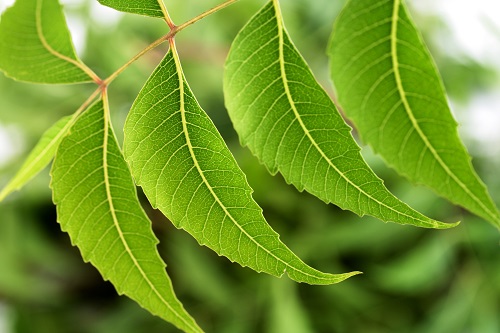
Neem leaves are extremely popular as a source of cleansing the body and normalizing metabolism. It is believed that they promote accelerated removal of toxins from the body and improve blood composition. Probably due to the ability of plant components to stimulate the activation of protective cells of the immune system, whose function is to absorb foreign microorganisms or particles. Moreover, positive effects have been reported for high acidity, stomach and duodenal ulcers. 8, 9
Effect on skin
Neem oil and leaves are often used against various skin diseases, especially eczema and psoriasis, as well as pimples and acne. 10 Since the active components of the plant have antiseptic and anti-inflammatory properties, they do not just eliminate external appearances, but act on the cause. The condition of the skin and its color improves even with short-term use.
Antiallergic properties
Neem is a natural antihistamine and has anti-allergic effects. Histamine is a mediator of allergic reactions, the release of which leads to itching and redness of the skin and eyes. The active substances in neem suppress the release of histamine, which can alleviate allergic reactions.
Neem Components and Immune Functions
The effectiveness of the components of neem was noted in reducing of metastatic potential during most laboratory studies that were carried out in vitro on cell cultures. Research has shown the ability of several groups of phytochemicals to stimulate the activation of cellular immunity. They are protective cells of the immune system, such as macrophages, T-lymphocytes and NK cells that destroy intracellular pathogens.
The cellular immune system is especially effective against cells infected with viruses and against tumor cells. In particular, the polysaccharides and limonoids that contain it have cytotoxic properties against one or more types of cancer cells. 11, 12, 13, 14, 15, 16, 17, 18, 19
Nevertheless, it does not mean that this plant can be used to treat cancer or prevent its occurrence. Laboratory studies can reveal certain trends, but there is not enough data to make any recommendations. Additional scientific work is needed to find out whether this can be applied in practice.
Directions for use and dosage
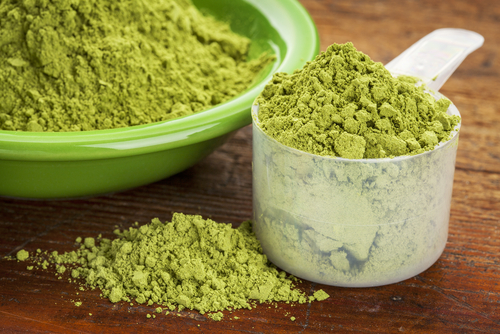
It is taken in capsule form or in dry powder dissolved in water.It can be brewed with boiling water and taken as herbal tea. The dosage may vary depending on age, health status, and sensitivity of the body. It is advisable to start with small quantities. Usually, take 2-3 capsules or half a teaspoon twice a day, morning and evening, before meals or 1 hour after meals. In some cases, the amount is gradually increased, up to 3-6 capsules, 1 teaspoon, twice a day. It is believed that the use can be continued without interruption for 2-3 months, then it is necessary to take a break for at least 30 days.
External application
When used externally, it heals the skin, normalizes the functioning of the sebaceous glands, eliminates irritation, pimples, blackheads, and blemishes. For external application, use tea from the leaves or oil of the plant.
Contraindications
Individual intolerance. Lactation. Pregnancy. Neem is safe in the use for adults. However, neem leaves and especially plant extracts should not be taken for long periods of time without interruption. There are isolated reports of adverse effects on the liver with long-term use in large quantities. In case of an upcoming surgery, it is recommended to stop taking any herbal medicines two weeks in advance.
Phytochemical composition
The leaves of the plant contain alkaloids, sterols, vitamins A, C, E, amino acids, limonoids - azadirachtin, salannin, meliantriol, nimbin, gedunin and others, as well as oleic, palmitic, stearic, linoleic, arachidonic acids, bitter substances, sulfur-containing compounds , copper.
Sources of information, research and references:
Please note that some studies are based on preclinical testing in biological models (in vitro). In studies involving model organisms, including humans, only isolated forms of active substances are used. Finally, some of the studies show conflicting data. Thus, extrapolation of the results to a human biological model is possible only in general terms, and sometimes is not possible at all. This information should not be used to evaluate health conditions and the products sold here are not drugs and are not intended to treat or prevent any disease.
Date of publication: 07.19.2024
© 2024 Hello-Botanica. All rights to publication belong to the copyright holders. When copying material fully or partly, a link to the original source is required!