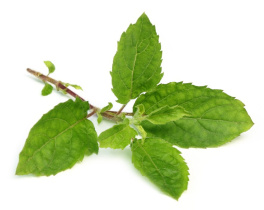
Tulsi Tulasi - Ocimum sanctum
Plant species name: Ocimum sanctum - Holy basil
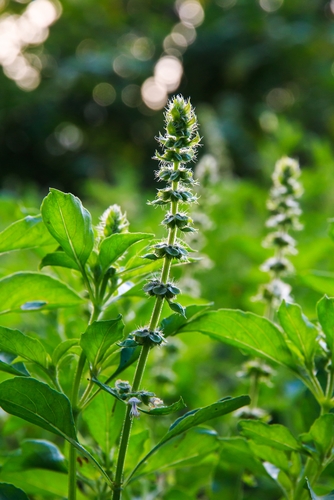
Name in Sanskrit: Tulasi - Tulasi; Tulsi -Tulsi
Other names: Fine basil
Tulsi or Holy Basil is a widely known herb in India and Southeast Asia. In Indian culture, this plant is considered as the embodiment of Lakshmi, the goddess of abundance and prosperity. They say that there is no house in India that does not have at least one tulsi sprout. The plant is considered sacred in a number of traditions of Hinduism. Numerous magical and therapeutic properties are attributed to it. Mentions of tulsi are present in the most ancient Indian religious scriptures, and its beneficial properties are described in all canonical treatises on Ayurveda.
Translated from Sanskrit, “tulsi” means “incomparable herb” - it is not surprising that it has been the basis of many Ayurvedic formulas for several thousand of years. This shrub is poetically called the “elixir of life.” Tulsi is believed to balance various processes in the body, harmonize bodily functions and promote longevity.
Traditional Hindu rosaries and beads have been made from tulsi branches in India for thousands of years. The leaves are used as a seasoning and as an ingredient in various herbal teas. Another centuries-old practice is to mix it with dried tulsi leaves to protect grains from insects.
Traditional use
- to maintain general health, strengthen the immune system and increase the body’s resistance to physical or mental stress;
- to stabilize the emotional state during depression, stress or anxiety;
- to improve bioavailability of many useful components containings, including vitamins C and A;
- for protection against radiation damage;
- to improve liver condition;
- to reduce blood sugar, urea and cholesterol;
- as an antioxidant that helps preventing damage of brain neurons.
Detailed information
Due to the containing of a large number of biologically active compounds, many questions could remain regarding the mechanisms of action of this plant. It is believed that most of the effects occur as a result of the synergistic interaction of the components. At the same time, the following active substances have been identified in the plant, which may be responsible for certain effects - carvacrol, caryophyllene, eugenol, linalool, apigenin, ursolic acid, rosmarinic acid. Tulsi also contains two water-soluble flavonoids: orientin and vicenin, which have radioprotective properties and provide protection against radiation damage of chromosomes. 1 Detailed information on the composition and potential of tulsi can be found in the following review article: 2
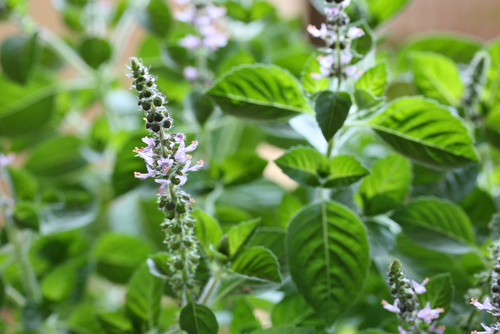
General strengthening properties of tulsi
Tulsi is often used as a universal remedy for promoting health and recovery from illness. Taking tulsi is believed to improve the absorption of nutrients from other foods, thereby increasing their nutritional value. Moreover, the plant itself contains many useful components, including vitamins C and A, elements such as calcium, zinc, iron, phosphorus, and also a lot of chlorophyll. In terms of its chemical structure, chlorophyll is structurally close to the main respiratory pigment of human blood - hemoglobin, and is capable to effect on the blood similarly.
Adaptogenic effect
In addition to its general strengthening properties, tulsi can increase resistance to stress and improve the assessment of quality of life. People who took tulsi for 30 and 60 days showed a significant decrease in Hamilton depression rating scale, as well as an improvement in concentration. 3
What Science Says
Researchers from the Department of Pharmacology, Research Institute of India, concluded that eugenol and ursolic acid, components present in tulsi leaves, can help in normalizing liver function. In addition, tulsi contains linoleic and rosmarinic acids, which can reduce inflammatory processes, including those associated with liver injuries. LDL cholesterol and triglyceride levels. 1 6 Moreover, flavonoids contained in the plant are reported to have significant antioxidant activity and can prevent damage of brain neurons. 7
Directions for use and dosage
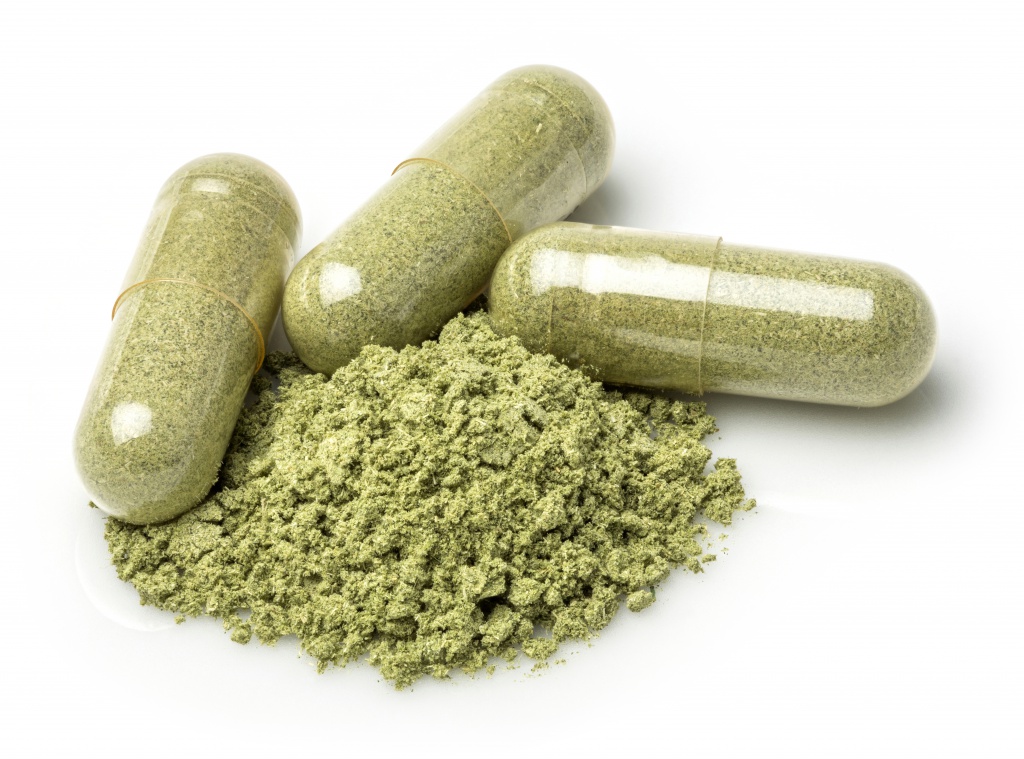
Used in capsule form, 3-5 capsules once or twice a day (3-6 grams per day), before meals or an hour after meals. It is recommended to take courses of 14-20 days with breaks of 30-60 days. The plant is non-toxic and no side effects were observed when taking it.
Contraindications
Individual intolerance, pregnancy, lactation. In case of an upcoming surgery, it is recommended to stop taking any herbal medicines two weeks in advance.
Phytochemical composition
Saponins, flavonoids, triterpenoids, polysaccharides and tannins, including carvacrol, caryophyllene, eugenol, linalool, apigenin, ursolic acid, rosmarinic acid), isothymusin and isothymonin, orientin, vicenin, as well as vitamin C, A, calcium, zinc, iron, phosphorus.
Sources of information, research and references:
Please note that some studies are based on preclinical testing in biological models (in vitro). In studies involving model organisms, including humans, only isolated forms of active substances are used. Finally, some of the studies show conflicting data. Thus, extrapolation of the results to a human biological model is possible only in general terms, and sometimes is not possible at all. This information should not be used to evaluate health conditions and the products sold here are not drugs and are not intended to treat or prevent any disease.
Date of publication: 07/20/2024
© 2024 Hello-Botanica. All rights to publication belong to the copyright holders. When copying material fully or partly, a link to the original source is required!