


Tribulus - Gokshura (Tribulus terrestris)
Plant Species name: Tribulus terrestris - Goathead
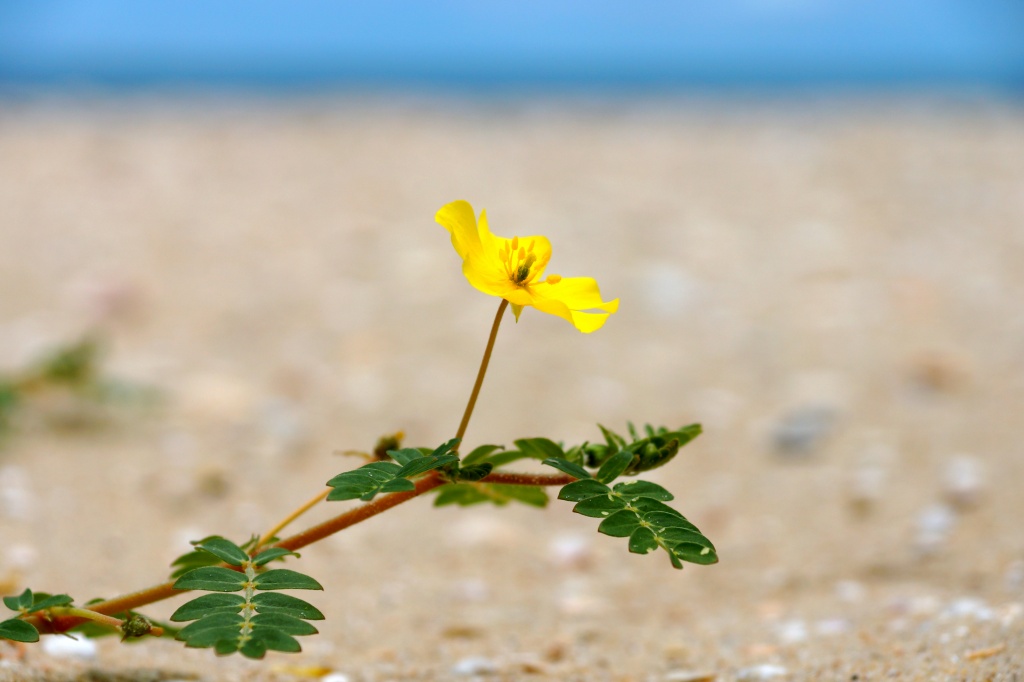
Name in Sanskrit: Gokshura Gokhra - Gokshura Gohra
Chinese Herbology: Bai Ji Li
Other names: Tribulus - Tribulus, Goathead
Tribulus terrestris, commonly known as tribulus, is an annual herbaceous plant that has been used as a general tonic for several thousand years. In India it is called "gokshura", which is translated from Sanskrit as "cow's hooves", probably due to the peculiar shape of the fruit. Tribulus is used in Ayurvedic practice to increase potency and libido, as well as for prostatitis. In China, this plant is called "Bai Ji Li", it is used for cardiovascular diseases and as a diuretic to cleanse the kidneys.
After information appeared in sports publications that Olympic athletes and professional bodybuilders were taking tribulus extracts in preparation for competitions the interest in this plant grew rapidly in the 70s of the last century in Europe. After this, tribulus gained anecdotal popularity as a natural anabolic agent that increases testosterone levels. Today, extracts of this plant are included in many sports supplements for developing strength and improving physical fitness. Many athletes take Tribulus as a testosterone booster or after a steroid cycle to restore hormonal balance.
Traditional use
- as a tonic to increase the body's resistance to physical and mental stress;
- to increase sexual activity and stimulate sexual function in men;
- for prostatitis;
- to improve emotional state (uplift);
- for improved sleep;
- to reduce the risk of cardiovascular diseases;
- for blood (cholesterol)
- as a means to cleanse the kidneys and increase their excretory function.
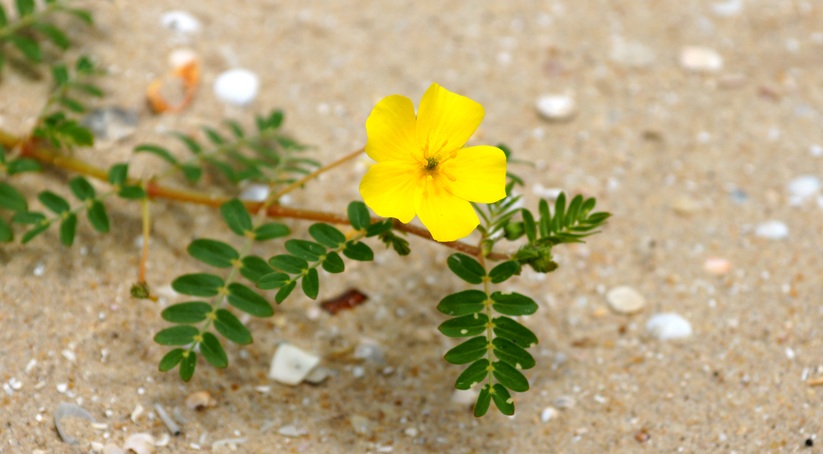
Detailed information
Today, tribulus is widely known as a natural tonic that enhances physical performance, improves emotional well-being and can be an aphrodisiac for men as well. The main biologically active components of the plant are a number of steroidal saponins, the main of which is (protodioscin). It is this compound that is believed to provide a tonic effect. A detailed overview of the potential and detailed composition of the plant can be found at the following link - 1
Anti-stress effect
It is believed that a regularl taking of tribulus can stabilize the emotional state during emotional stress or depression. The plant contains small amounts of compounds called "β-carbolines", which are also found in a number of other plants, such as plants of the genus Nicotiana, from which tobacco goods are produced. B-carbolines are able to inhibit the activity of the MAO enzyme (monoamine oxidase), which prevents the breakdown of neurotransmitters and leads to an increase in their concentration in brain synapses. As a result, emotional uplift may occur, mood and general well-being will improve.
Tribulus as an aphrodisiac

For thousands of years tribulus has been used as an aphrodisiac for men. It was assumed that stimulation of sexual function occurs due to an increase in testosterone levels when taking Tribulus. But most modern studies have not shown a statistically significant increase in testosterone levels in people.
At the same time, in most in vivo laboratory studies, there was an increase in sexual activity, and in some even an improvement in erectile function. For example, the following studies demonstrated that the plant's main component, protodioscin, causes increased release of nitric oxide in the corpora cavernosa of the penis, which stimulates blood flow to them and, as a result, improves erectile function. 2, 3, 4 Among other things, tribulus can have a positive effect on sexual activity due to its tonic effect.
Tribulus as a sports supplement
The anabolic effects of tribulus and its main component protodioscin are still the most discussed topic. There are studies that confirm an increase in physical performance and testosterone levels when taking tribulus extracts. However, most modern independent studies have not recorded a significant change in testosterone levels, nor an increase in physical performance. 5, 6, 7, 8, 9
However, the fact that the active substances of tribulus can have an effect on the human body is also beyond doubt. Recently, information has been found that protodioscin is metabolized in the body to DHEA, which is a natural steroid hormone on the basis of which the endocrine glands are producing other hormones. Some sources report that protodioscin only increases androgen receptor sensitivity without affecting testosterone and dihydrotestosterone levels. However, the validity of these claims remains questionable, and the mechanism of action of tribulus is still not precisely known.
Effect on the cardiovascular system

It is believed that taking tribulus may reduce the risk of cardiovascular disease. It is reported that one of the components, called tribulosin, can have a powerful cardioprotective effect, and tribulus preparations can be used for coronary heart disease, atherosclerosis and angina. Pain in the heart area decreased in people suffering from atherosclerosis of the coronary arteries when taken tribulus for several weeks. The heartbeat also normalized, blood pressure decreased and sleep improved. LDL cholesterol levels also decreased significantly, and blood coagulation parameters normalized. 10, 11
Effect on the prostate gland
In Ayurvedic practice, it is believed that tribulus prevents the development of chronic prostatitis. Presumably, this process may involve a group of phytosterols (b-sitosterol, campesterol and stigmasterol), which tend to inhibit the development of hyperplastic processes (cell proliferation) in the prostate gland. It is likely that phytosterols can prevent dihydrotestosterone from binding to specific receptors in the prostate, which can relieve inflammation and slow down the process of further hyperplasia of prostate tissue. 12 Moreover,, tribulus is a diuretic - it increases the excretory function of the kidneys and the intensity of bile secretion.
Directions for use and dosage
It is used in capsule form, 3-5 capsules once or twice a day (3-6 grams per day), before meals or an hour after meals. It is recommended to take courses of 14-20 days with breaks of 30-60 days. The plant is non-toxic and no side effects were observed when taking it.
Contraindications

Individual intolerance, pregnancy, lactation, low blood pressure. In case of an upcoming surgery, it is recommended to stop taking all herbal medicines two weeks in advance.
Phytochemical composition
The plant contains β-carboline alkaloids, steroid saponins (diosgenin, trillin, dioscin, kikubasaponin, diosponin, gracillin, tribusponin, protodioscin), flavonoids, phytosterols (b-sitosterol, campesterol, stigmasterol), tannins, vitamin C, fatty acids (oleic , palmitic, stearic, linolinic), silicic acid salts, macro and microelements.
Sources of information, research and references
Please note that some studies are based on preclinical testing in biological models (in vitro). In studies involving model organisms, including humans, only isolated forms of active substances are used. Finally, some of the studies show conflicting data. Thus, extrapolation of the results to a human biological model is possible only in general terms, and sometimes is not possible at all. This information should not be used to evaluate health conditions and the products sold here are not drugs and are not intended to treat or prevent any disease.
Date of publication: 07/10/2024
© 2024 Hello-Botanica. All rights to publication belong to the copyright holders. When copying material fully or partly, a link to the original source is required!

