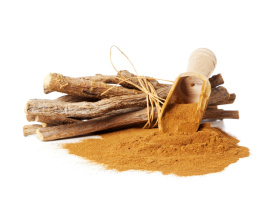
Tumeric and Pepper - Curcuma longa&Piper nigrum
Name: Turmeric(Curcuma)&Piper nigrum

Ingredients: Curcuma longa root, Piper nigrum fruits in a ratio of 80/20
Curcumin is the active substance of turmeric root. It has numerous beneficial properties including antidepressant properties and can help to stabilize the emotional state. At the same time, the use of curcumin only is difficult due to its poor bioavailability and rapid metabolism in the liver and intestines. Piperine is the active substance of long and black pepper, which can increase the bioavailability of curcumin many times over. Scientific studies have repeatedly confirmed the feasibility of combined using curcumin and piperine.
Main active ingredients: Curcumin, Piperine.
Traditional use
- as a powerful antidepressant
- as an antibacterial and antiseptic
- as an anti-inflammatory and analgesic;
- for the brain;
- for weight loss;
- as a reduction in cancer risks.
Detailed information
In some Asian and African countries turmeric is considered as a medicinal plant. Thus, turmeric with candari Savory is used in Bali against liver diseases, and turmeric pandurata is used as a cream for facial skin rejuvenation. It is also added to sweet beverages as a tonic.
Medicinal properties
Turmeric has both antibacterial and antiseptic properties and can be used to disinfect wounds. It also speeds up wound healing and skin regeneration. It is also a natural pain reliever. 1
The spice has a powerful anti-inflammatory effect. Indian studies show that it is excellent at reducing inflammation in arthritis patients. There are studies of its successful use in psoriasis and other skin diseases.
India has a very low incidence of Alzheimer's compared to other countries, and turmeric is suspected of being involved. American studies in animals show that it destroys amyloid plaques better and safer than any drug on the market. So turmeric should also preserve memory function. Rats on a curry diet tolerated traumatic brain injury better and recovered faster. In other rats, turmeric in curry slowed the development of multiple sclerosis.
An American study found that curcumin speeds up metabolism and inhibits the growth of fat cells. With regular use, it will help you lose weight!
In oncology

There were only 2 Asians in one study among 500 patients with rectal cancer in one English, although according to the population there should have been 100. Scientists suspect turmeric, which is part of curry.
It can supposedly prevent and slow the development of prostate cancer together with cauliflower.
Turmeric prevented melanoma, skin cancer in rats, and prompted existing cancer cells to self-destruction!
There are positive results on the effect on pancreatic cancer. Metastasis in many types of cancer are prevented. It can stop or slow angiogenesis, the growth of blood vessels that supply the tumor with nutrition. It reduces the risk of childhood leukemia. 1 2
Directions for use and dosage
Turmeric with pepper is used in the form of capsules, 1-2 capsules or traditionally, in the form of dry powder dissolved in a small amount of water or milk, 0.25-0.5 teaspoon once or twice a day, before meals or an hour after meals, sometimes ginger, lemon, cinnamon, mint or honey can be added to taste. It is recommended to take courses of 20-30 days with breaks of 30-60 days.
Contraindications:
Not for medicinal use! Do not use as a substitute for the adequate nutrition. Individual intolerance, pregnancy, lactation. It is believed that turmeric does not show any side effects during intake. In case of an upcoming surgery, it is recommended to stop taking all herbal medicines two weeks in advance.
References to studies published in PubMed (US National Center for Biotechnology Information (NCBI)
Please note that some studies are based on preclinical testing in biological models (in vitro). In studies involving model organisms, including humans, only isolated forms of active substances are used. Finally, some of the studies show conflicting data. Thus, extrapolation of the results to a human biological model is possible only in general terms, and sometimes is not possible at all. This information should not be used to evaluate health conditions and the products sold here are not drugs and are not intended to treat or prevent any disease.
Date of publication: 27.07.2024
© 2024 HelloBotanica. All rights to publication belong to the copyright holders. When copying material fully or partly, a link to the original source is required!